




| Box Style | As Mention Above |
|---|---|
| Dimension (L + W + H) | All Custom Sizes & Shapes |
| Minimum Run ( For Boxes and Mylar Bags) | 100 Boxes - 1000 Mylar Bags ( 500 each design) |
| Paper Stock | 10pt to 28pt (60lb to 400lb) Eco-Friendly Kraft, E-flute Corrugated, Bux Board, Cardstock |
| Printing | No Printing, CMYK, CMYK + 1 PMS color, CMYK + 2 PMS colors |
| Finishing | Gloss Lamination, Matte Lamination, Gloss AQ, Gloss UV, Matte UV, Spot UV, Embossing, Foiling |
| Included Options | Die Cutting, Gluing, Scored,Perforation |
| Additional Options | Eco-Friendly, Recycled Boxes, Biodegradable |
| Proof | Flat View, 3D Mock-up, Physical Sampling (On request) |
| Turnaround | 7 - 8 Business Days |
| Shipping | FLAT Position |
Custom Mason Jars: The Complete Buyer's Guide to Sizes, Materials, and Branding
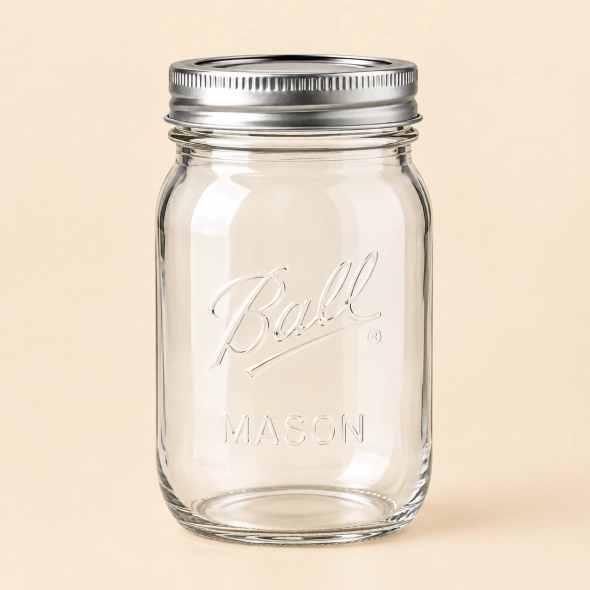
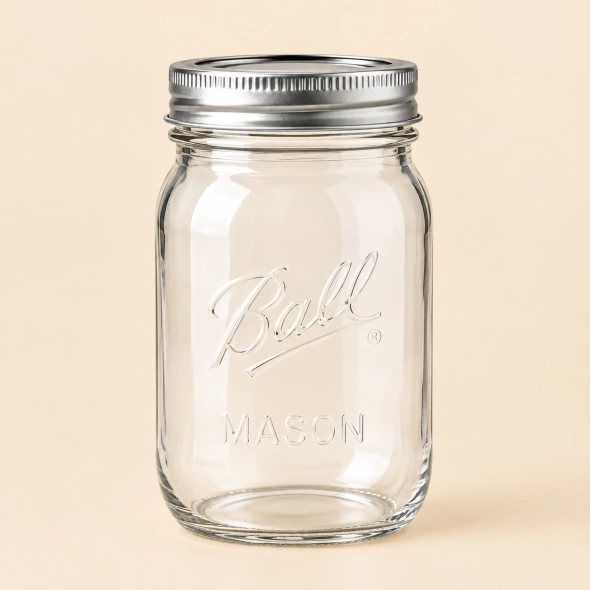
Mason jars are the single most recognizable piece of glass packaging in the United States, and that recognition is exactly why so many food, beverage, cosmetic, and gift brands build their packaging strategy around them. The name traces back to tinsmith John Landis Mason, who patented the reusable, screw-top glass jar in 1858 as a home-canning solution. More than 165 years later, the same basic design a threaded glass jar sealed with a two-piece or one-piece lid is still the default choice for any product that needs a shelf-stable, resealable, glass-forward package.
What changed is the customization layer. A modern mason jar order is no longer limited to plain glass and a stock lid. Brands now specify jar size down to the ounce, choose between regular mouth and wide mouth openings, select clear or tinted glass, and add printed logos, embossing, or full-wrap labels before the jar ever reaches a store shelf. This guide breaks down every size and finish CustomBoxesZone produces, so you can match the right jar to your product before you request a quote.
Mason Jar Sizes: 4 oz to 64 oz Half Gallon
Size is the first decision on any mason jar order, and it is also where most first-time buyers get tripped up, because jar capacity does not scale in a straight line with jar height or mouth diameter. Below is a size-by-size breakdown built from the actual dimensions and mouth types used across our production runs.
4 oz Ball Jars
The 4 oz jar is the smallest standard size in the mason jar family, typically finished in regular mouth only. It is built for spice blends, sample-size condiments, lip and body balms, and party favor fills where shelf footprint matters more than volume. Because the opening is narrow, 4 oz jars work best with pourable or scoopable contents rather than whole-piece foods.
8 oz Ball Jars (Half Pint)
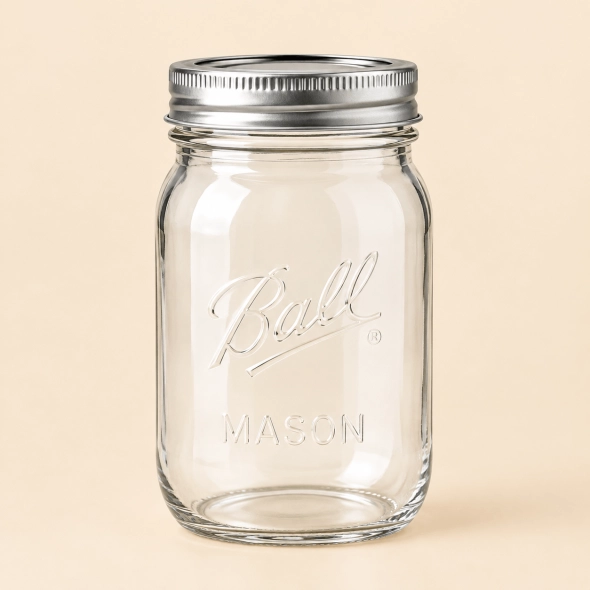
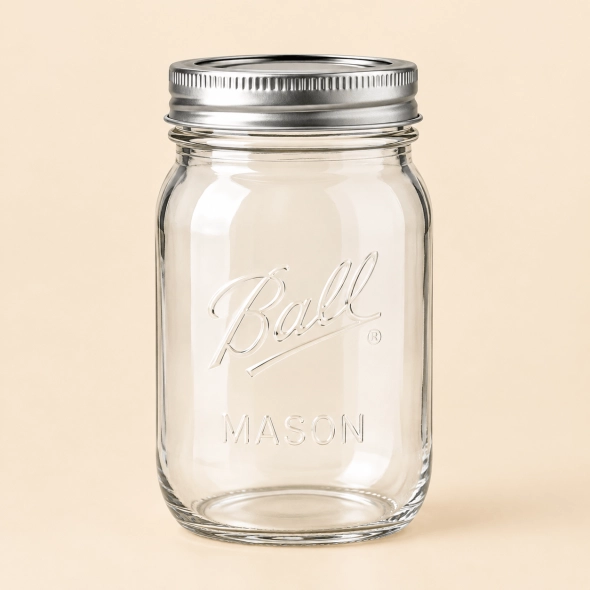
The 8 oz jar the true "half pint" is the workhorse of the jam, jelly, honey, and sauce category. It is available in both regular mouth and wide mouth finishes, and it is the size most home canners already recognize, which makes it a strong pick for brands that want their retail packaging to read as authentic and small-batch rather than mass-produced.
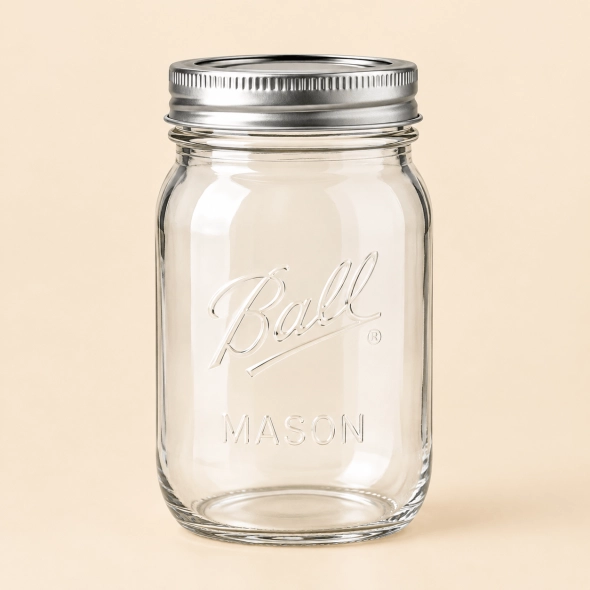
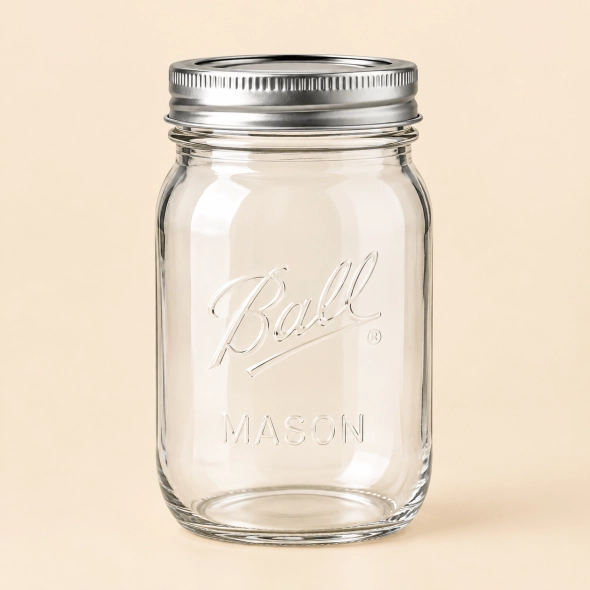
16 oz Ball Jars (Pint) and the "Half Pint 16 oz" Search
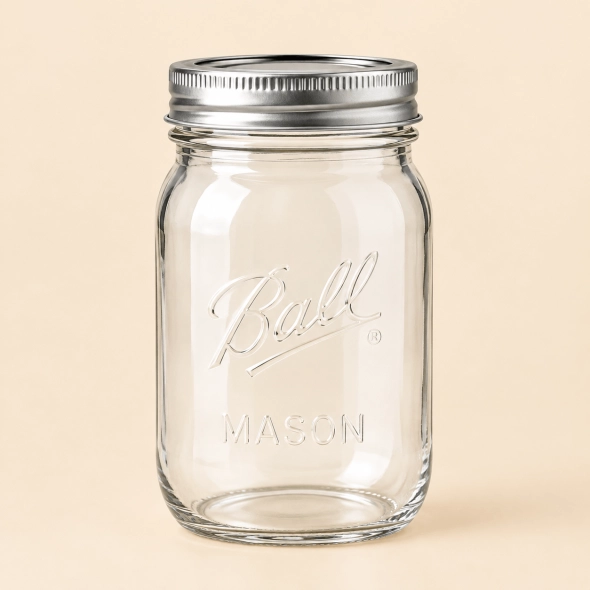
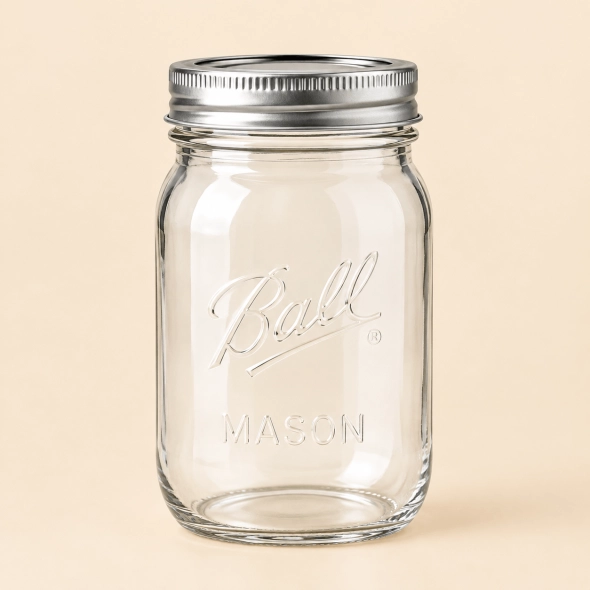
A significant share of shoppers search for "half pint Ball jars 16 oz," but a genuine half pint is 8 oz 16 oz is a full pint. This mix-up usually comes from confusing fluid ounces with the historical "half pint" canning term, or from vendors mislabeling wide-mouth pint jars as half pints in old product listings. We flag this clearly on the PDP so buyers order the correct capacity the first time, rather than receiving 16 oz jars when they expected an 8 oz jar. The 16 oz pint is the most common size for salsa, honey, granola, bath salts, and drinkware conversions, and is offered in both regular mouth and wide mouth.
24 oz Ball Jars
The 24 oz jar sits between the pint and the quart, and it has become a popular mid-tier choice for pickled vegetables, granola, trail mix, and bath and body scrubs that need more capacity than a pint but don't require a full quart. It is produced in wide mouth for easy filling of chunky or textured products.
32 oz Ball Jars / 32 oz Ball Mason Jars (Quart)
The 32 oz quart jar is the standard for bulk dry goods, fermentation projects like sauerkraut and kimchi, cold brew coffee, and large-format sauces. It is available in both regular mouth (narrower opening, better for pourable liquids and standard two-piece lids) and wide mouth (full-width opening, easier to fill with whole produce and easier to clean by hand).
64 oz Ball Jars / Ball Half Gallon Jars
The 64 oz half gallon jar is the largest size in the standard mason jar range and is produced exclusively in a wide mouth finish the glass wall thickness required at this volume makes a regular mouth opening impractical for safe filling and sealing. It's the standard choice for whole-fruit and whole-vegetable canning, sun tea, large-batch fermentation, and bulk dry storage of flour, rice, or beans. Because of its size and weight when filled, this jar also sees the most demand for reinforced outer packaging alongside the jar order itself.
Large Ball Jars for Bulk and Commercial Use
Buyers searching "large Ball jars" are typically comparing the 32 oz and 64 oz sizes for a commercial-volume application food service portioning, wholesale ingredient repackaging, or retail bulk bins. For orders at this scale, case-pack configuration and pallet weight become part of the sizing conversation, not just jar capacity, and we quote both together so freight cost isn't a surprise after the jar order is placed.
Regular Mouth vs. Wide Mouth Ball Jars
Every mason jar size above is available in one or both mouth styles, and the choice affects far more than aesthetics.
- Regular Mouth Narrower opening (around 2.4 inches across); pairs with standard two-piece lids; best for pourable liquids, syrups, and fine-textured products; slightly lower per-unit glass cost
- Wide Mouth Full-width opening matching the jar's widest point (around 3 inches across); easiest to hand-fill and hand-clean; required for whole-piece foods like pickle spears or peach halves; standard for the 64 oz half gallon size
A common content gap on competitor sites is treating mouth style as a cosmetic option rather than a functional one. In practice, mouth style should be selected before size, because it constrains which lids, labels, and filling equipment will actually work with the jar on a production line.
Glass Ball Jars: Material, Grade, and Compliance
Every custom mason jar we produce is made from soda-lime glass manufactured to food-contact standards, meaning it is FDA-compliant for direct contact with food and beverage products and free of BPA, phthalates, and lead in the glass formulation. Jars are annealed after molding to relieve internal stress, which is what allows them to withstand the temperature swings of hot-fill canning, water-bath processing, and freezer storage without cracking under normal use.
Wall thickness increases with jar volume, which is why a 64 oz jar is noticeably heavier than four 16 oz jars combined the extra glass mass is structural, not cosmetic, and is what keeps a filled half-gallon jar from flexing or stress-fracturing at the shoulder. Lids ship with a plastisol-lined sealing compound rated for both mechanical (screw) sealing and vacuum sealing during hot processing, matching the performance buyers expect from legacy Ball- and Kerr-style jars while sourcing from a US-based supplier that can quote true production lead times rather than a generic "factory direct" placeholder.
Blue Ball Jars and Color Glass Options
Beyond clear glass, we produce mason jars in a heritage blue tint the same aqua-blue shade collectors associate with early 20th-century Ball Mason jars, achieved through a controlled iron-oxide tint in the glass batch rather than a surface coating, so the color won't chip, fade, or wash off in normal use. Blue Ball-style jars are most requested for candle lines, vintage-branded food products, wedding and event favors, and home decor SKUs where the tinted glass itself functions as the design element.
Because the tint is baked into the glass rather than applied afterward, blue jars carry the same food-contact safety rating as clear glass and can be used for the same canning, cold-fill, or dry-storage applications the color choice does not reduce functional versatility, which is a distinction that's often left out of competitor product pages.
Ball Mason Canning Jars: Built for Preserving
Canning is still the single largest use case behind the mason jar category, and it's also the application with the least tolerance for a weak seal. Our canning jars are tested to hold a vacuum seal through standard water-bath and pressure-canning cycles, and every lid ships with the two-piece band-and-lid configuration that lets the flat lid be replaced after each use while the band is reused indefinitely the same system that's kept mason jars as the default home-canning package for over a century.
For brands packaging shelf-stable, commercially canned goods rather than home-canned goods, we also advise on headspace requirements by jar size, since under-filling or over-filling relative to the jar's rated headspace is the most common cause of seal failure during commercial retort or hot-fill processing.
Custom Ball Jars: Branding and Customization Options
Every size and mouth style above can be branded through several methods, and most brands combine two or more depending on shelf placement and budget:
- Full-Color Pressure-Sensitive Labels Front, back, or full-wrap labels printed on durable, moisture-resistant stock the fastest and most budget-friendly option, ideal for testing a new product line before committing to glass-level branding
- Embossed or Debossed Glass Logo or wordmark molded directly into the glass wall, giving a premium, permanent brand mark that survives relabeling and refill programs
- Screen Printing Directly on Glass Ink fired onto the glass surface for a label-free look that holds up to repeated washing common for reusable drinkware conversions of pint and quart jars
- Custom Lid Printing Branded metal lids in custom colors or with a printed logo disc, often paired with a plain or lightly labeled jar for a two-tone finished look
- Low-MOQ Small-Batch Runs Options for brands testing a new SKU without committing to a container-load order, with proof approval before full production
We ask every customization inquiry two questions up front final fill volume and filling method (hand-fill vs. automated line) because both affect which decoration method is compatible with your production speed. Embossing and glass-fired printing, for example, are set at the mold or kiln stage and can't be changed order-to-order, while pressure-sensitive labels can be updated between runs without retooling.
How to Choose the Right Mason Jar Size and Style
With six standard sizes and two mouth styles in play, most buyers narrow the decision down to four questions before requesting a quote, and answering them in order removes almost all of the guesswork.
- What is the fill volume of the finished product? match the jar's rated capacity to the product's actual net weight or volume, leaving the correct headspace for the fill method don't round up to the next size for safety, since excess headspace can itself cause seal failure during hot-fill or water-bath processing
- Is the product pourable, scoopable, or whole-piece? pourable liquids and fine powders perform well in regular mouth jars; scoopable, chunky, or whole-piece contents need the wide mouth opening to fill and empty cleanly
- Will the product be hand-filled or run on an automated line? hand-fill operations benefit most from wide mouth openings regardless of product type, since funnel and scoop speed roughly doubles versus a regular mouth jar of the same size
- Is the jar decorative, functional, or both? if the glass color or embossing is part of the brand story, decide on blue vs. clear glass and embossed vs. label-only decoration before finalizing size, since some decoration methods are tied to a specific mold run
Getting these four answers settled before a quote request is the single biggest factor in avoiding a reorder sizing mistakes discovered after a production run has already shipped are, by a wide margin, the most expensive correction in the entire mason jar buying process.
Wide Mouth Ball Jars for Filling and Fermentation
Wide mouth jars deserve a category of their own beyond simple size availability, because they solve a specific production problem: hand-filling speed. A wide mouth jar can be filled with a standard funnel or scoop roughly twice as fast as the equivalent regular mouth size for chunky products, which matters at scale for small-batch food producers without automated filling lines. Wide mouth openings are also the standard choice for active fermentation projects sauerkraut, kimchi, pickles where a fermentation weight and airlock lid need to fit through the opening alongside the product itself.
Wholesale Canning Jars and Bulk Ordering
Standard case configurations run 6, 12, or 24 jars per case depending on size, with palletized freight available for full-truckload orders. Because glass is heavy and fragile relative to its value, freight cost is often the largest line item on a bulk mason jar order after the jars themselves — we quote freight alongside product cost rather than as a separate estimate, so the landed cost per jar is accurate before you commit to a production run.
For brands scaling from a pilot run into ongoing wholesale supply, we also hold approved artwork and jar specifications on file so reorders don't require a new proofing cycle each time volume increases. A typical first order moves through digital proof approval, a short production run, and palletized freight to your dock, with total turnaround depending on decoration method label-only orders move fastest, while embossed or glass-fired branding adds mold or kiln setup time to the front end of the first run only.
Sample requests are available for brands that want to physically check glass weight, lid seal tension, or label adhesion before committing to a full case-pack order, and we'd rather send a sample jar than have a client discover a mismatch after a pallet has already shipped.
Why Source Custom Mason Jars Through CustomBoxesZone
CustomBoxesZone is based in Friendswood, Texas, and every custom mason jar quote we issue reflects real US production capacity and lead times not a placeholder estimate padded to account for overseas freight delays. We work size-by-size and mouth-style-by-style with our clients rather than pushing a one-size list, because the wrong jar size or the wrong opening style is the single most common and most expensive packaging mistake we see brands make before they come to us.
Every quote includes a free digital proof, clear headspace and fill guidance for canning applications, and a landed cost that already accounts for freight, so there are no surprises between the quote and the invoice. Our team reviews every specification fill volume, mouth style, glass color, and decoration method against your actual filling process before production starts, rather than after a pallet has already shipped, which is where most jar-sizing mistakes surface with other suppliers.
Whether you're packaging a single small-batch SKU for a farmers market table or building out a wholesale supply line across every size in this guide, the goal is the same: a jar that seals correctly, fills efficiently on your line, and represents your brand the way you intended it to, delivered on a timeline you can plan production around.