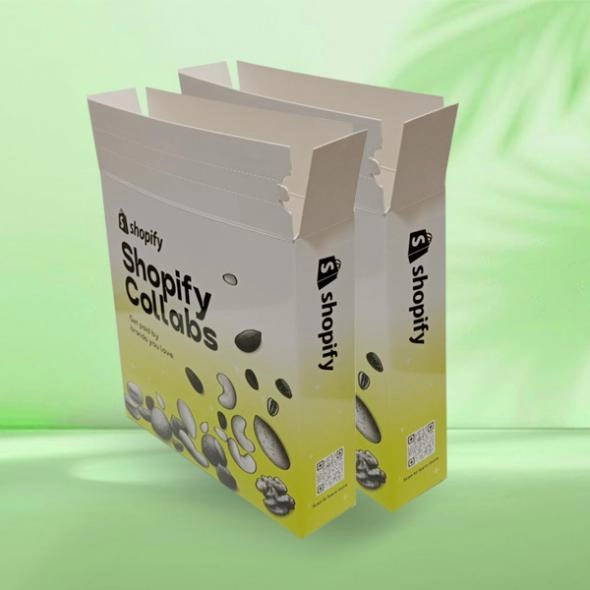
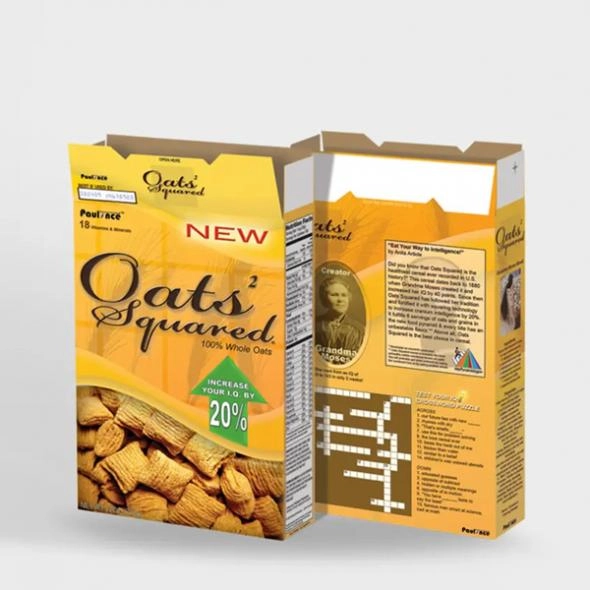
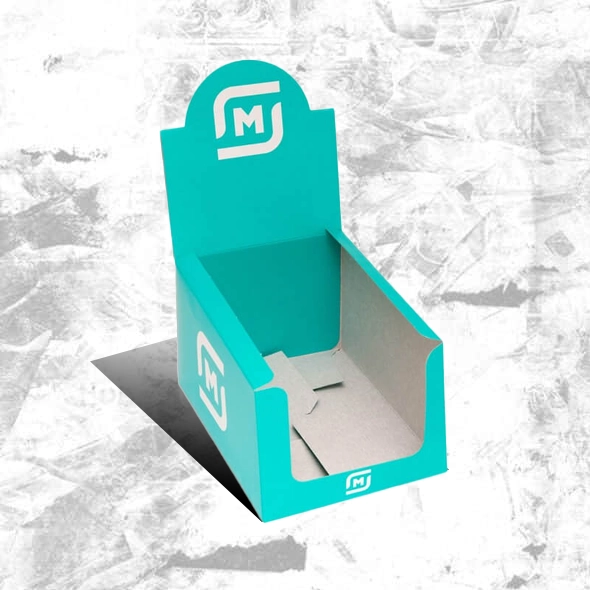
| Box Style | As Mention Above |
|---|---|
| Dimension (L + W + H) | All Custom Sizes & Shapes |
| Minimum Run ( For Boxes and Mylar Bags) | 100 Boxes - 1000 Mylar Bags ( 500 each design) |
| Paper Stock | 10pt to 28pt (60lb to 400lb) Eco-Friendly Kraft, E-flute Corrugated, Bux Board, Cardstock |
| Printing | No Printing, CMYK, CMYK + 1 PMS color, CMYK + 2 PMS colors |
| Finishing | Gloss Lamination, Matte Lamination, Gloss AQ, Gloss UV, Matte UV, Spot UV, Embossing, Foiling |
| Included Options | Die Cutting, Gluing, Scored,Perforation |
| Additional Options | Eco-Friendly, Recycled Boxes, Biodegradable |
| Proof | Flat View, 3D Mock-up, Physical Sampling (On request) |
| Turnaround | 7 - 8 Business Days |
| Shipping | FLAT Position |
Why Choose Custom Cereal Boxes?
A cereal carton works harder than most food packaging. It stands on a crowded shelf, gets handled by shoppers, rides home in a cart, and sits in a pantry for weeks. Custom sizing and print let you design for that whole route instead of forcing your product into a stock carton.
Product Protection and Secure Packaging
Most cereal ships in a sealed liner bag, and the carton protects that bag from crushing and scuffs. A snug fit keeps the bag from shifting, which helps fragile cereals like puffs and clusters arrive intact. The paperboard is an outer structure only, so confirm food-contact requirements for the liner with your co-packer.
Professional Product Presentation
Shoppers see the front panel first, usually from a few feet away. A clear product name, a readable flavor callout, and a clean layout make a new cereal look like a real retail product. Side panels carry the nutrition facts, ingredients, and barcode, so plan room for them from the start.
Custom Mini Cereal Boxes for Sampling and Variety Packs
Custom mini cereal boxes hold single servings and suit variety packs, hotel breakfast programs, and sampling campaigns. A small carton lets shoppers try a flavor before they buy a full-size box. Many brands print the same artwork as their main line at a smaller scale so the product stays recognizable.
Materials Used for Custom Cereal Boxes
Cereal cartons are light, but they need enough stiffness to stand upright and hold crisp edges. Material choice affects strength, print quality, cost, and how the carton feels in a shopper's hand.
Cardboard and Paperboard Options
Folding paperboard is the standard for retail cereal. It folds cleanly, prints sharply, and keeps shipping weight low. Heavier stock adds stiffness for large family-size cartons, while lighter stock often works for small ones.
Coated board suits photographic imagery and bright colors. Uncoated board gives a softer, more tactile look.
Kraft Packaging Options
Kraft paperboard has a natural brown tone that fits granola, oat, and whole-grain brands. Colors print earthier and more muted than on white board, so very bright artwork may look different. Many brands lean into the look with one- or two-color designs and plenty of open space.
Choosing the Right Material
Start with fill weight and carton size. A large carton of dense granola needs more rigidity than a small box of puffed cereal. Then consider where you will sell it, how it ships, and what look your brand wants. For online sales, ask for a sample and test it in a real shipment.
Custom Sizes and Box Styles
Cereal boxes look standard on the shelf, but the right dimensions depend on your recipe, bag, and fill weight.
Custom Size Packaging
Cereal density varies. A pound of dense granola takes far less room than a pound of airy flakes, so one carton size can leave another product half empty. Measure your filled, sealed liner bag, not just the cereal volume, and give those dimensions to your supplier. The carton should hold the bag snugly without forcing it.
Popular Box Styles for Cereal
The classic choice is a tuck-top carton with a glued side seam. It stacks well, prints on every major panel, and shoppers already know how to open it. Some brands add a pour spout or perforated opening, though those features depend on the structure and should be confirmed during design.
Multipacks often pair small cartons with an outer sleeve, which keeps individual servings together on the shelf.
Window Boxes and Product Visibility
A window shows the cereal itself, which helps when the product looks appealing, such as colorful clusters or visible fruit and nuts. It works less well for plain cereal or when light exposure is a concern. Keep the window small enough that the carton stays rigid, and discuss window film options before you finalize the design.
Custom Printing and Branding Options
Cereal sits in one of the busiest aisles in the store, so print choices should help shoppers find your product fast.
Custom Logo and Artwork
Cereal boxes with logo placement work best when the brand name sits high on the front panel, where it stays visible when cartons are stacked or tilted. Provide logo files as vectors so they print cleanly at any size. Plan the front, back, sides, and top flap as one design, since shoppers often turn the carton over.
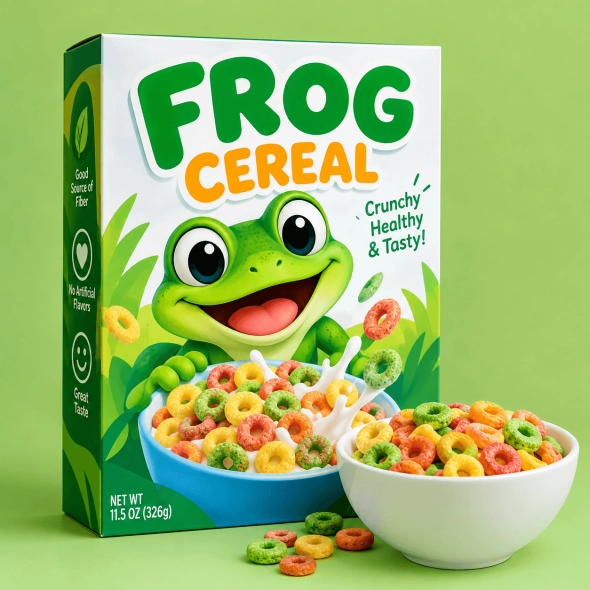
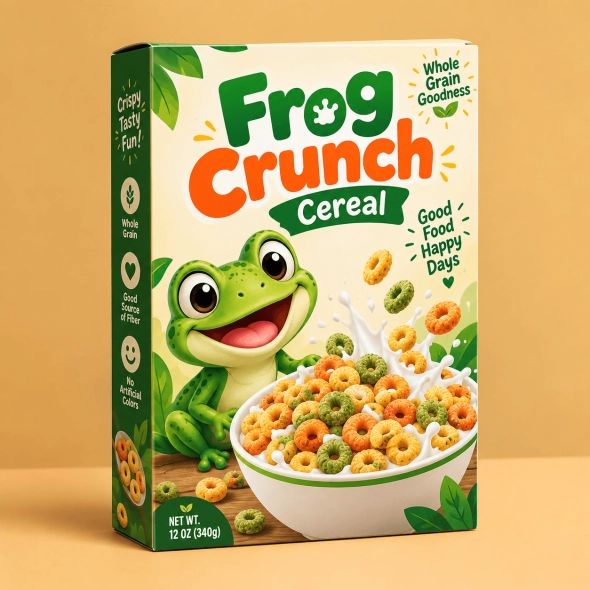
Many cereal brands also build a mascot into the front panel. People often search for cereal with a frog on the box when they remember a familiar character, but a custom carton should carry your own original character, not a trademarked one. An original frog, bear, or robot gives your line a face that belongs to your brand.
Colors and Printing Options
Full-color printing suits illustrated mascots, photography, and multi-flavor lines. Printed cereal boxes can also use a few solid colors for a cleaner, more modern look. Many brands assign one main color per flavor so shoppers can tell them apart from the end of the aisle.
Food imagery can shift between screen and print, so review a proof before approving a full run.
Finishing Options
Matte gives a modern, low-glare look that suits premium granola and natural brands. Gloss brightens colors and tends to suit playful, kid-oriented cereals. Spot UV can highlight a logo against a matte background, and foil stamping can add an accent for limited editions. Ask which finishes are available for your chosen material.
Custom Cereal Packaging for Different Industries
The same carton format serves several kinds of food businesses, each with different priorities.
Retail Cereal and Granola Brands
Shelf consistency matters most. Cartons must match across production runs, and the front panel has to read from a distance. Retail buyers also expect scannable barcodes and complete label panels.
Small Businesses and Startup Brands
New brands often start with a limited run for farmers markets, local grocers, or a retail pilot. A simple structure with a strong front panel looks professional without added complexity. Choose a design you can reorder unchanged so later batches match the first.
Ecommerce and Subscription Sellers
Online sellers need cartons that survive shipping. Heavier board, a snug fit, and an outer shipper box all help, and sellers should test a few delivery routes first. A well-made carton also improves the unboxing experience for subscribers.
Wholesale Cereal Boxes Packaging
Cereal boxes wholesale orders suit brands with steady demand, since cartons are produced in larger runs and stored until needed.
Benefits of Ordering Packaging in Bulk
Larger orders keep every carton identical in color and structure, which matters when flavors sit side by side on a shelf. They also reduce how often you reorder, proof, and approve artwork. Planning all your flavors in one order can simplify scheduling with your co-packer.
Choosing the Right Order Quantity
Consider expected sales over the next few months, available storage space, and the chance your artwork will change. Nutrition panels, ingredient lists, and flavor names all limit how long a printed carton stays usable. If your recipe may change soon, a smaller first order is safer.
How to Choose the Right Custom Cereal Boxes
Consider Your Product Dimensions
Begin with your filled liner bag. Measure its height, width, and depth, and leave a little room for the bag to slide in during packing. A carton that is too tight slows filling, while one that is too loose lets the bag move around.
Choose the Right Material and Style
Match the board to your fill weight, sales channel, and brand look: lighter for small cartons, heavier for large or shipped ones, and kraft for natural positioning. Pick a style your packing line can handle, since complex structures can slow production.
Match Packaging With Your Brand
Choose colors, imagery, and finishes that reflect the product inside. A children's cereal can use bold illustration and gloss, while an organic granola often suits muted tones and a matte finish. Consistency across flavors helps shoppers recognize your line.
Consider Retail and Shipping Requirements
Retail buyers may specify carton dimensions, barcode placement, and case pack sizes, so check these before finalizing a design. If you ship direct to customers, plan how cartons will pack in an outer box and how much movement they will face in transit.