








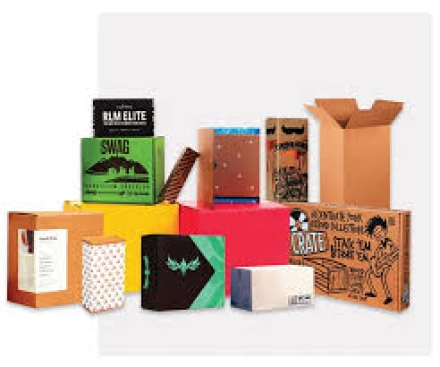
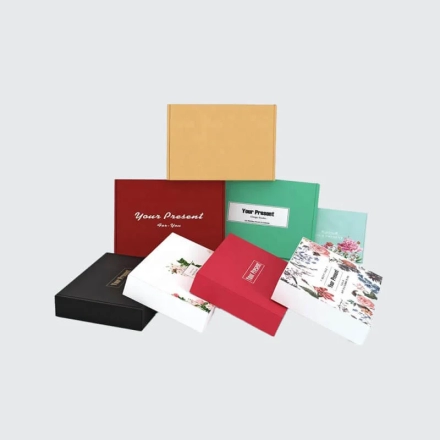
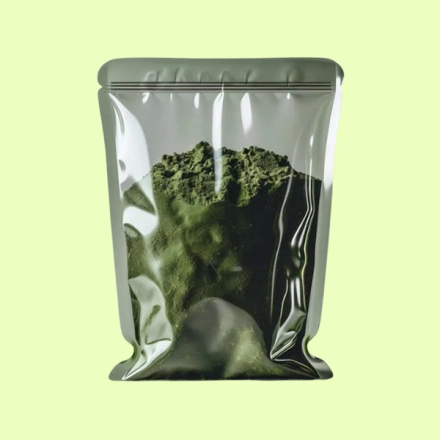
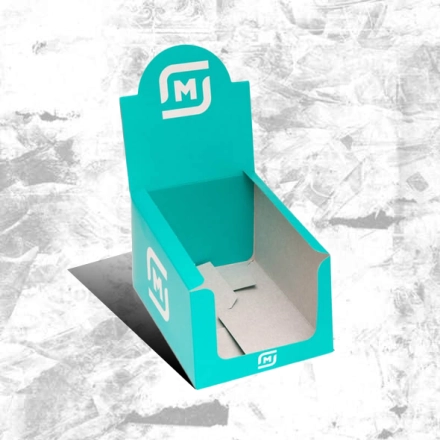
You can shop for packaging three ways: by material, by box style, or by industry. Material and style are useful once you know what you're doing. Industry is the better starting point, because your sector decides the constraints before you get anywhere near choosing between kraft and cardboard.
A soap maker and a lipstick brand might both want an elegant matte carton at roughly the same size. But cured cold-process soap needs airflow or it sweats inside a sealed box, and a lipstick needs an insert or it rattles and the tube scuffs. Same-looking box, opposite requirements. Neither problem shows up on a material comparison chart.
That's what this page is for. Below, each industry section covers what the packaging in that sector actually has to do, which box formats solve it, and where to go next for detail. Work out which section describes you, read the constraints, then follow the link to the product page for that format.
If you already know exactly what you need, skip the reading and send your dimensions and quantity through the quote form. Pricing comes back within 24 hours, with a free dieline and 3D mockup once you proceed.
Quick Routing
| If you sell | Start here |
|---|---|
| Candles, soap, bath products, supplements, smoking accessories | Retail Packaging |
| Prepared food, baked goods, snacks, confectionery, takeaway | Food Packaging |
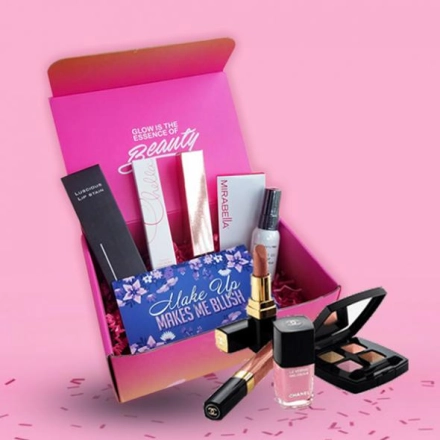
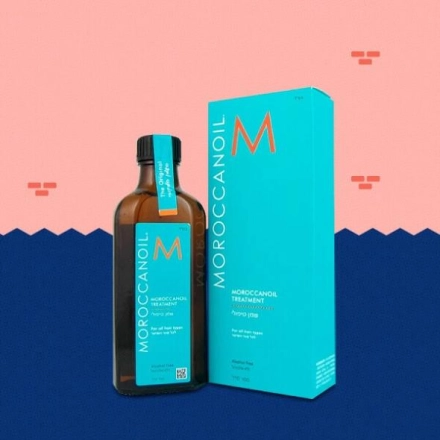
| Skincare, colour cosmetics, fragrance, grooming, hair | Cosmetic Packaging |
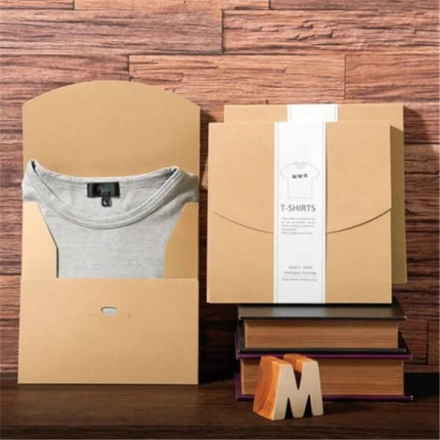
| Clothing, footwear, accessories, jewellery | Apparel Packaging |
| Anything sold from a counter, shelf display or peg hook | Display Packaging |
Most brands need formats from more than one section. A candle company selling online needs a retail carton and a corrugated mailer. A bakery supplying cafés needs a cake box and a shelf display. There's no harm in that, and consolidating them under one account keeps your specs and colour references in one place.
Retail Packaging
Retail packaging has to work unsupervised. Nobody is standing next to it explaining the product, so the box does the selling, and it has to survive being picked up, put down, and picked up again by a dozen shoppers before one of them buys it.
What changes the spec here
Shelf presence comes first. A carton that won't stand square on its own face is a carton a buyer won't stock. That usually means specifying up a grade in board thickness rather than choosing the cheapest option that technically holds the product. Somewhere in the 16pt to 20pt range covers most retail cartons, with heavier stock where contents are dense.
Product fragility comes second, and it's where sector-specific knowledge earns its money. Glass-vessel candles are heavy for their footprint and chip their own rims if they shift in transit, so either the carton fits within about an eighth of an inch or it needs an insert. Bath bombs shed powder and crack under compression, so they want a snug fit and often a window so the customer can see the colour. Cold-process soap continues to cure after wrapping, so a fully sealed box can trap moisture against the bar; vented boxes, band sleeves or a die-cut window solve it and let the scent through, which sells the product.
Regulated categories carry a third layer. Supplements and health products need panel space for a supplement or drug facts panel, and often tamper evidence. Cannabis packaging is governed state by state, with rules that can cover child-resistant certification, opacity, warning symbols and label content, and those rules change. Check your state's current requirements or take specialist advice before you print, and tell us what the packaging has to comply with so we build the format around it.
Food Packaging
Food packaging is the sector where the technical requirements bite hardest and where getting it wrong is most visible to the customer. A box that fails here doesn't just look bad, it ruins the product inside.
What changes the spec here
Grease is the first question. Anything with butter, oil or fat will stain plain coated board within hours, and by the time the customer opens it the panel looks translucent and unappetising. Grease-resistant coatings and liners solve it. Ask for them by name rather than assuming a standard carton handles it.
Moisture and steam come second, and they cut both ways. Hot food released into a sealed box produces steam that condenses and softens everything it touches, which is why pizza boxes carry vents and why a beautifully sealed burger box gives you a soggy bun. Baked goods and confectionery have the opposite need, wanting a barrier against ambient humidity rather than ventilation. Decide which problem you have before choosing a format.
Structural load matters for anything stacked or carried. Cake boxes take vertical load from stacking and lateral load from being carried at an angle in a car, so they need rigidity and a base that won't flex. Cup carriers hold liquid weight and get judged instantly when they fail.
Two things people forget. First, odour transfer: chocolate and other fat-based products absorb smells from packaging materials readily, so ink and adhesive choices matter more than they do elsewhere. Second, dry goods like cereal and popcorn usually need a liner or a bag-in-box rather than direct contact with board.
Finally, food-contact materials are regulated. Ask any supplier, including us, for documentation on the inks, coatings and board where the packaging touches food directly, and confirm the requirements that apply to your product and jurisdiction.
Cosmetic Packaging
Cosmetics is where packaging carries the highest proportion of the perceived value, and where the tolerances are tightest.
What changes the spec here
Small format means small margins for error. A cosmetic carton is often two or three inches on its longest side, so an eighth of an inch of slack that would be invisible on a shoe box is proportionally enormous. The product rattles, the tube scuffs against the board, and the customer registers it as cheap before they've opened anything. Inserts, platforms and snug dielines matter more in this sector than in any other except jewellery.
Weight distribution is the second issue. A fragrance bottle is dense glass in a small footprint. A folding carton alone often isn't enough, and the answer is either a rigid box or a carton with a structural insert that holds the bottle off the walls.
Panel space is the third. Cosmetic and personal care products typically carry an ingredient listing, and in a small carton that means very small type on a limited panel. Plan the layout on the dieline before design work starts, and check legibility at actual printed size rather than zoomed in on screen. Requirements vary by product type and market, so verify what applies to yours.
The fourth factor is finish, and here the economics genuinely favour spending. When a unit sells for thirty or eighty dollars, the difference between a plain matte carton and one with soft-touch lamination, foil on the wordmark and spot UV on the pattern is small relative to the price and large relative to how the product reads on a shelf or in a photograph.
Apparel Packaging
Apparel is the sector where the product is least fragile and the packaging is doing the most pure brand work. Nothing inside a shirt box is going to break. The box exists to make the purchase feel like something.
What changes the spec here
The dominant practical problem is SKU multiplication. A shirt in five sizes and four colours is twenty variants, and printing twenty box designs is a fast way to destroy your packaging economics. The standard solution is one printed carton per style with size and colour applied as a printed label or sticker. You get one print run at volume pricing instead of twenty short runs, and you can rebalance stock without stranded packaging. It's the single largest cost saving available in this sector.
Structure matters for footwear specifically. Shoe boxes get stacked in stockrooms and in customers' closets, so they need genuine compression strength rather than just a clean face. Handle cutouts and ventilation holes are worth specifying if the boxes will be carried or stored long term.
At the accessories end, the calculation flips. Jewellery packaging is closer to cosmetics than to apparel: rigid board, a fitted insert in foam or velvet, and a closure that feels deliberate. The box is kept, which means it keeps working as a brand asset for years.
Hat boxes and other awkward geometries are their own problem, because volume rather than weight drives your shipping cost. Consider whether a flat-packed structure the customer assembles, or a shape that nests, saves you more in freight than it costs in board.
Display Packaging
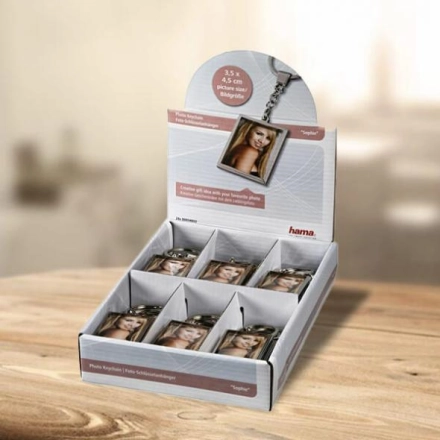
Display packaging is the category defined by where it sits rather than what's inside it. Counter displays, shelf-ready cases, peg-hook boxes and carriers all share one requirement: they have to work in a retail environment that somebody else controls.
What changes the spec here
Retailer constraints come first, and they're non-negotiable. Shelf depth, peg hook spacing, counter footprint and case pack quantity are all set by the store, not by you. Ask before you design. A display that's an inch too deep for the fixture doesn't get placed, however good it looks.
Assembly speed comes second. Shop staff assemble these, often quickly and without instructions. A display that takes four minutes to build and needs a diagram will be resented and sometimes just not put out. Auto-lock and pre-glued structures that pop open in one motion get used.
Visibility comes third. Window boxes trade board area for product visibility, which works when the product is the selling point and works against you when the panel needed that space for copy. Window film is typically PVC or PET; if the contents are food, confirm the film is suitable for that use.
Structural load applies to carriers specifically. A cup carrier holds several pounds of liquid at arm's length, and its failure mode is memorable. Specify for the loaded weight, not the empty one.
The Decisions Every Industry Shares
Whatever sector you're in, four questions come up and they're the same four every time.
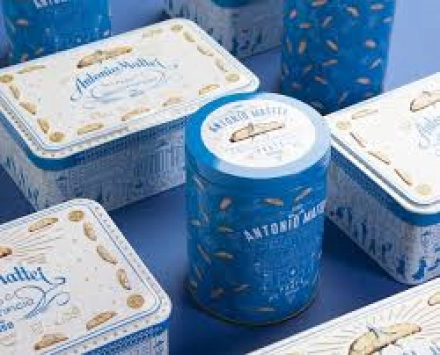
Material. Cardboard, or SBS, gives the smoothest surface and the most faithful colour, which is why it dominates retail. Kraft is uncoated and unbleached, recyclable, and reads as natural, at the cost of muted colour reproduction. Corrugated has a fluted core between two liners and is the choice for anything travelling through a carrier network. Rigid board is heavy chipboard wrapped in printed paper, doesn't collapse, and carries the highest perceived value. Browse Cardboard Packaging, Brown Kraft, Corrugated Boxes and Rigid Packaging for detail on each.
Size. Measure the product, then add roughly an eighth of an inch per dimension for clearance, more for soft or irregular products and more again if you're adding tissue or an insert. Dimensions are always interior, stated length by width by height. Sending a physical sample is faster and more accurate than any description.
Finish. Gloss lamination saturates colour, matte flattens it and hides fingerprints, and soft-touch adds texture and scuff resistance. Spot UV, foil stamping, embossing and debossing are each a separate production pass and each adds cost. See Lamination & Finishing for the full range.
Compliance. Food contact, cosmetic ingredient disclosure, supplement labelling and cannabis packaging rules all vary by product category and jurisdiction, and they change. Confirm what applies to you with the relevant regulator or a specialist. Our job is making sure the format, panel space and print quality carry whatever you're required to include.
How Industry Affects What You'll Pay
Per-unit cost varies more by sector than most people expect, and it's driven by three things.
Format complexity is the first. A straight tuck carton is inexpensive. A rigid box with a fitted insert costs several times as much, because it's a different manufacturing process rather than just more board.
Finishing is the second. Food packaging typically runs light on finishing, since the box is discarded within minutes. Cosmetics and jewellery load up on it, because the box is part of the product experience and the unit economics support it.
Volume is the third and largest. Setup cost spreads across the run, so the per-unit price falls sharply as quantity rises, with the steepest drops between 50 and 500 units and again between 1,000 and 5,000. Our minimum run is 50 boxes. If your product is proven and you'll reorder within six months, the larger run now is almost always cheaper in total than two smaller ones.
Industry, Material or Style: Which Navigation Should You Use?
Use Box by Industry when you know your sector but not the format. It's the right entry point for most first-time buyers, and for anyone whose main question is "what do businesses like mine actually use?"
Use Box by Material when you already know the format and are deciding between substrates, or when sustainability, colour fidelity or shipping durability is the deciding factor.
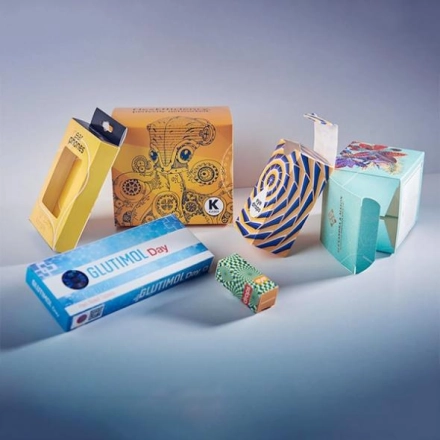
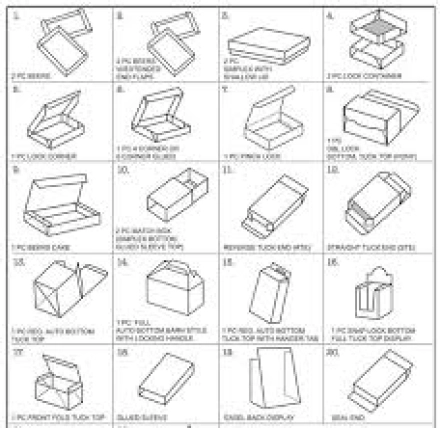
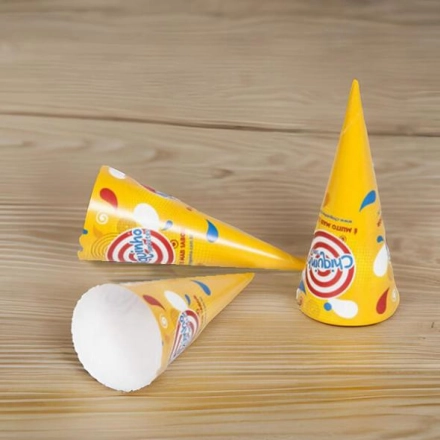
Use Box by Style when you know exactly which construction you want, such as a mailer, a cube, a cone or a gable box, and just need it sized and printed.
They're three routes to the same catalogue. Nothing is exclusive to one path.
What Happens When You Order
Send your dimensions and quantity through the quote form, or a photo of an existing box with a ruler beside it, and pricing comes back within 24 hours. Once you proceed, our design team produces a flat dieline and a 3D mockup at no cost, with revisions included. Physical samples are available on request so you can check stock and finish in hand before committing.
Production runs 7 to 8 business days after you approve the proof, plus transit. Boxes ship flat, with free shipping included.
Stock options run 10pt to 28pt across kraft, bux board, cardstock and E-flute corrugated, with rigid available above that. Printing is CMYK, or CMYK plus one or two PMS spot colours where exact brand matching matters. Die cutting, gluing, scoring and perforation are included rather than charged as extras.