




In today’s competitive market, packaging is more than just a container for your product; it’s a powerful tool for brand storytelling. Adding dimension and tactile appeal to packaging can make your products stand out on store shelves and enhance customer experience. Two popular techniques that achieve this are embossing and debossing. But which one should you choose for your brand? Let’s break it down.
What is Embossing?
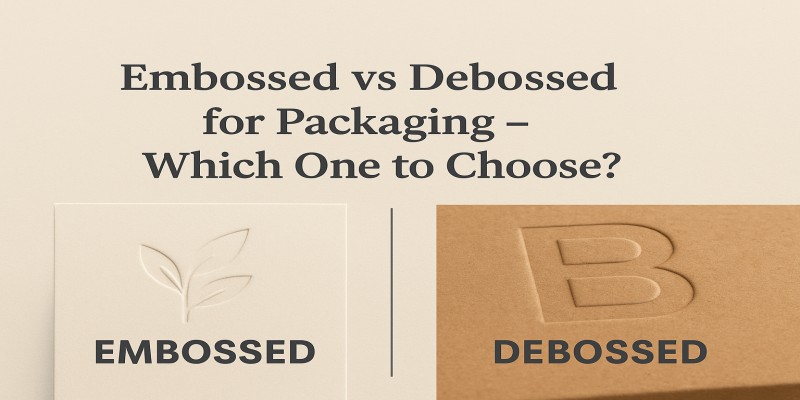
Embossing is a technique that creates a raised or elevated design on your packaging surface. Whether it’s your logo, tagline, or a decorative element, embossing adds a 3D effect that can be felt when touched.
How It Works:
-
Design Creation: A design is prepared in a vector format to ensure crisp lines.
-
Die Development: A metal die is created based on your design.
-
Pressing: The die is pressed onto the packaging material under heat and pressure.
-
Finishing: The raised pattern is revealed after cooling, giving a luxurious tactile effect.
Best For:
-
Thick paperboard or cardboard
-
Luxury product packaging (perfumes, chocolates, gift boxes)
-
Logos, bold typography, or small patterns
Benefits:
-
Makes your brand visually prominent
-
Enhances perceived product value
-
Adds texture that engages customers
-
Works beautifully with foil stamping, spot UV, or gloss finishes
What is Debossing?
Debossing is the opposite of embossing. Instead of raising a design, it creates a recessed or indented pattern on the surface. It produces a subtle, elegant effect that conveys sophistication and refinement.
How It Works:
-
Die Creation: Develop a recessed die for the design.
-
Material Placement: Position your material in the press.
-
Press and Heat: Apply pressure and heat to imprint the design.
-
Cooling: Allow the material to cool, leaving a sleek, indented pattern.
Best For:
-
Leather, soft-touch, or thinner cardstock
-
Minimalist and luxury packaging
-
Fine jewelry boxes, wine packaging, or specialty items
Benefits:
-
Delivers a refined and understated look
-
Highlights key design elements without overpowering them
-
Combines beautifully with matte or soft-touch finishes
-
Cost-effective while maintaining a high-end feel
Key Differences Between Embossing and Debossing
| Feature | Embossing | Debossing |
|---|---|---|
| Visual Appeal | Bold & Raised | Subtle & Recessed |
| Texture | 3D & Tactile | Indented & Sleek |
| Common Use | Logos, Titles, Patterns | Luxury Branding, Backgrounds |
| Finish Compatibility | Foil, Gloss, Spot UV | Matte, Soft-Touch, Minimalist |
| Cost | Slightly Higher | Slightly Lower |
| Durability | High | High |
| Popular Packaging Types | Gift Boxes, Chocolates, Labels | Rigid Boxes, Invitations, Premium Products |
Factors to Consider When Choosing Between Embossing and Debossing
-
Material Choice: Embossing works best with thick materials, while debossing shines on softer or thinner substrates.
-
Design Complexity: Intricate patterns need precision. Vector-based designs reduce distortion.
-
Brand Message: Bold and standout vs. subtle and sophisticated your brand identity drives the choice.
-
Budget: Embossing can be slightly more expensive due to additional die requirements, while debossing is more cost-efficient.
-
Finishing Options: Both techniques pair well with coatings, foiling, or varnish to enhance visual appeal.
Applications Across Industries
Embossed Packaging:
-
Luxury cosmetics and perfumes
-
Premium chocolates and gift items
-
Electronics and fashion accessories
Debossed Packaging:
-
Fine jewelry and wine boxes
-
Minimalist health and skincare products
-
E-commerce brands aiming for a refined look
Which Should You Choose?
If your goal is to make a bold statement, emphasize your logo, or enhance perceived product value, embossing is the right choice. It draws attention and creates a memorable tactile experience.
If your goal is subtle sophistication, a clean design aesthetic, or elegant minimalism, debossing is ideal. It adds understated luxury without overwhelming the packaging.
Ultimately, both embossing and debossing elevate packaging by adding texture, depth, and premium appeal, making your product more desirable and unforgettable to customers.
Final Thoughts
Packaging is more than just wrapping; it’s a reflection of your brand. Whether you choose embossing or debossing, the right technique can transform ordinary packaging into a premium brand experience, boost customer engagement, and leave a lasting impression.