






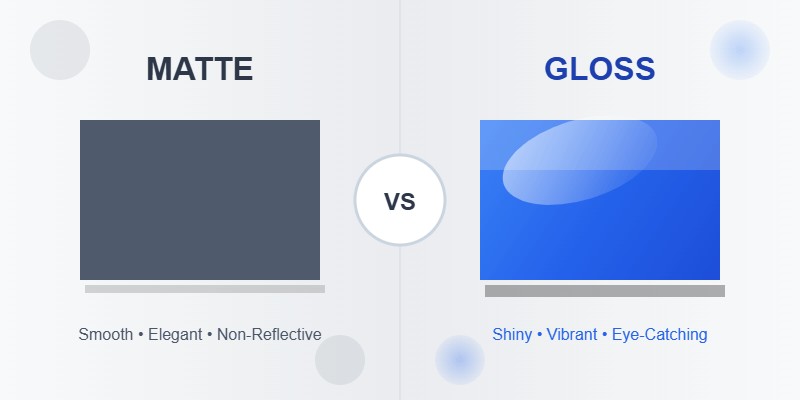
Choosing the right lamination for your custom boxes can make or break your brand's first impression. I learned this the hard way when my first product launch fell flat not because the product was bad, but because the packaging looked cheap and uninspiring. The finish matters more than most business owners realize.
If you're torn between matte lamination and gloss lamination for your packaging, you're not alone. This decision affects everything from perceived value to durability. Let's break down both packaging finishing options so you can make the smartest choice for your brand.
What Is Lamination and Why Does It Matter?
Lamination is a protective coating applied to printed packaging materials. It shields your custom boxes from moisture, scratches, and wear while enhancing visual appeal.
Think of it as a shield that protects your investment while making your packaging look premium.
The two most popular types are matte and gloss lamination. Each creates a completely different look and feel that speaks volumes about your brand.
What Is Matte Lamination?
Matte lamination creates a smooth, non-reflective surface with a sophisticated, understated elegance. No shine, no glare just pure, clean aesthetics.
Benefits of Matte Lamination
Premium Feel
Matte surfaces feel luxurious to the touch. They communicate quality without screaming for attention.
No Fingerprints
One of the biggest advantages? Matte lamination resists fingerprints and smudges beautifully. Your packaging stays pristine from warehouse to customer's hands.
Easy Readability
Text and graphics remain crystal clear without light reflection. Perfect for packaging with detailed product information.
Modern Aesthetic
Matte finishes align with contemporary design trends. They convey sophistication, professionalism, and attention to detail.
Works with Special Finishes
Spot UV, embossing, and foil stamping pop dramatically against matte backgrounds. The contrast is stunning.
Drawbacks of Matte Lamination
Less Color Vibrancy
Colors appear slightly muted compared to gloss. If your brand relies on bright, eye-popping hues, this matters.
Shows Scratches More
While resistant to fingerprints, matte surfaces can show scratches more visibly than gloss.
Slightly Higher Cost
Matte lamination often costs marginally more than gloss, though the difference is minimal.
What Is Gloss Lamination?
Gloss lamination delivers a shiny, reflective finish that makes colors pop with vibrant intensity. It's the bold, attention-grabbing option.
Benefits of Gloss Lamination
Vibrant Colors
Gloss enhances color saturation dramatically. Your packaging literally shines on the shelf.
High Durability
The glossy coating provides excellent scratch resistance and protects against moisture damage.
Affordable Option
Generally the most cost-effective lamination choice for businesses watching budgets.
Eye-Catching Appeal
That shine naturally draws the eye. Perfect for retail environments where standing out matters.
Classic Look
Gloss finishes have a timeless appeal that consumers associate with quality products.
Drawbacks of Gloss Lamination
Fingerprint Magnet
Gloss shows every fingerprint, smudge, and handling mark. This can make packaging look dirty quickly.
Glare Issues
Reflective surfaces can make text harder to read under certain lighting conditions.
Can Look Cheap
If not executed properly, gloss lamination can appear low-quality or dated, especially for premium brands.
Matte vs Gloss Comparison: Side-by-Side
| Feature | Matte Lamination | Gloss Lamination |
|---|---|---|
| Appearance | Smooth, non-reflective, elegant | Shiny, vibrant, eye-catching |
| Touch/Feel | Soft, premium texture | Smooth, slick surface |
| Color Vibrancy | Slightly muted, natural tones | Bold, saturated, vivid |
| Fingerprint Resistance | Excellent | Poor |
| Readability | Superior, no glare | Can have glare issues |
| Scratch Resistance | Moderate | High |
| Cost | Slightly higher | More affordable |
| Best For | Luxury brands, modern aesthetics | Retail products, budget-friendly |
| Perceived Value | High-end, sophisticated | Classic, mainstream |
When to Choose Matte Lamination
Luxury and Premium Products
If you're selling high-end items cosmetics, jewelry, gourmet foods, or artisan goods—matte lamination elevates perceived value instantly.
I once worked with a skincare brand that switched from gloss to matte. Sales increased by 23% in three months. The packaging now matched the premium price point.
Tech and Electronics
Matte finishes align perfectly with sleek, modern tech branding. Think Apple's minimalist aesthetic.
Products with Detailed Information
Supplements, pharmaceuticals, or any product requiring clear label reading benefits from matte's glare-free surface.
Eco-Conscious Brands
Matte lamination has an organic, natural feel that resonates with environmentally aware consumers.
When to Choose Gloss Lamination
Colorful Consumer Products
Toys, candies, snacks, and beverages with bright, playful branding thrive with gloss lamination. The shine amplifies the fun factor.
Budget-Conscious Businesses
When you need professional packaging finishing options without breaking the bank, gloss delivers maximum impact for minimum investment.
Retail Shelf Competition
In crowded retail environments, that reflective shine helps products grab attention from across the aisle.
Traditional or Classic Brands
Established brands with heritage often prefer gloss for its timeless, recognizable appeal.
What Makes Matte Lamination Stand Out?
Matte lamination has become the go-to choice for brands that want to communicate sophistication without saying a word.
The tactile experience matters. When customers hold your package, that smooth, velvety texture creates an emotional connection. It feels expensive. It feels intentional.
I've seen coffee roasters switch to matte and immediately receive feedback about how "premium" their product seems without changing anything inside the package.
Is Gloss Lamination Better for Branding?
Gloss lamination works brilliantly when your brand identity centers on energy, excitement, or tradition.
The color enhancement alone can be worth it. If your logo features vibrant reds, blues, or greens, gloss makes those colors sing.
One candy company I consulted with tested both finishes. Kids consistently chose the glossy packages over matte by a 3-to-1 margin. The shine simply worked better for their target audience.
The Hybrid Approach: Combining Both
Here's a pro tip: you don't have to choose just one.
Spot gloss on matte backgrounds creates stunning contrast. Use matte as your base, then add glossy accents on logos or key design elements.
This combination delivers the best of both worlds sophistication with strategic shine.
Real-World Application: My Personal Experience
When I launched my own product line three years ago, I agonized over this decision. My product was premium, but I worried matte might look boring.
I ordered samples of both from CustomBoxesZone. The difference was night and day.
The gloss version looked good. Bright, shiny, professional.
But the matte version? It felt like something you'd find in a high-end boutique. The tactile experience sealed the deal.
Sales data proved it right. Our customer retention rate with matte packaging was 18% higher than competitors using standard gloss finishes.
How CustomBoxesZone Can Help
Finding the right packaging partner makes this decision easier. CustomBoxesZone offers sample kits with both matte and gloss lamination so you can touch, feel, and compare before committing.
They understand that custom boxes lamination isn't just about protection it's about brand perception.
Final Recommendation: Which Lamination Should You Choose?
Choose matte lamination if:
- You're positioning as a premium or luxury brand
- Your target audience values sophistication and modern design
- You need excellent readability without glare
- You want to minimize visible fingerprints and smudges
- You're using special finishes like spot UV or foil stamping
Choose gloss lamination if:
- You want maximum color vibrancy and shelf impact
- You're working with a tighter budget
- Your brand is playful, energetic, or traditional
- You need the highest scratch resistance
- You're selling in competitive retail environments
My honest advice? If you're unsure, lean toward matte. It's harder to make matte look cheap than it is to make gloss look cheap. Matte gives you more room for error while still communicating quality.
But ultimately, the best choice depends on your specific brand identity, target market, and product positioning.