






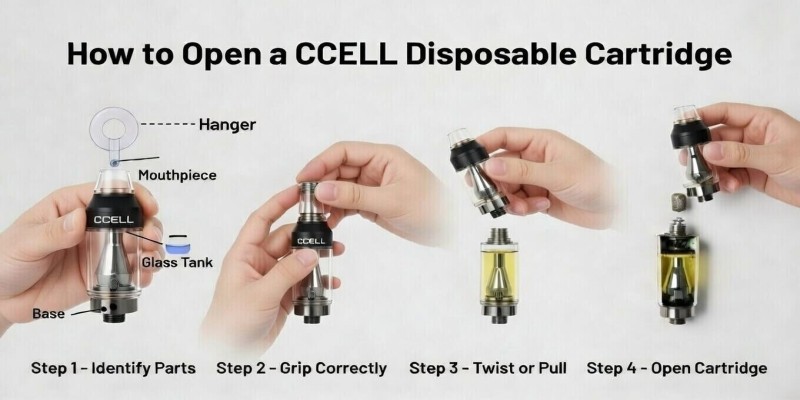
CCELL disposable vapes have revolutionized the vaping experience with their convenient, all-in-one design. However, what happens when your disposable stops working prematurely before the oil runs out, or when you want to salvage the remaining concentrate from a malfunctioning device? Understanding how to properly open a CCELL disposable cartridge can save you money and prevent waste. This guide will walk you through everything you need to know about safely opening and extracting oil from CCELL disposable cartridges.
Understanding CCELL Disposable Cartridges
CCELL disposable vapes are self-contained units that combine the battery, heating element, and oil reservoir into a single device. Unlike traditional cartridges that attach to separate batteries, disposables are designed for one-time use. However, mechanical failures or accidental damage often leave usable oil trapped inside these devices.
Why You Might Need to Open a Disposable Cartridge
There are several compelling reasons to learn how to open your CCELL disposable. The most common scenario is device malfunction. Sometimes the battery dies before the oil is fully consumed, leaving perfectly good concentrate trapped inside. Other times, the heating element burns out or clogs, making the device unusable despite having oil remaining.
Another common reason is accidental damage. Disposables are frequently carried in pockets or bags where they can be dropped or crushed. When the outer casing cracks, the oil inside remains usable and worth salvaging.
The Financial Impact of Salvaging Oil
CCELL disposable cartridges typically cost between forty and one hundred dollars depending on the brand and quality. When a device malfunctions with half the oil remaining, you're potentially wasting twenty to fifty dollars worth of concentrate. Learning to extract this oil takes only a few minutes but can save you hundreds of dollars annually.
Environmental Considerations
Beyond financial savings, opening and salvaging oil from disposables has environmental benefits. Disposable vapes contribute significantly to electronic waste. Each unit contains plastic, metal, lithium batteries, and electronic components. Extending the useful life of the oil inside reduces overall consumption and waste.
Critical Safety Precautions
Before attempting to open any CCELL disposable cartridge, understanding and following proper safety protocols is essential. Disposable vapes contain lithium batteries that can be dangerous if damaged or punctured. Always work in a well-ventilated area away from open flames or heat sources.
Battery Safety Guidelines
The integrated battery in disposable vapes poses the primary safety concern. Lithium batteries can short circuit, overheat, or even catch fire if punctured or damaged. Never use metal tools near the battery area. If you notice the device becoming hot or swelling during the opening process, immediately stop and place the device in a safe location away from flammable materials.
Always assume the battery is active even if the device appears dead. Avoid touching exposed wiring or metal contacts. If you see any signs of battery damage such as bulging or leaking, do not attempt to open the device.
Workspace Preparation
Setting up a proper workspace prevents accidents and makes the process more efficient. Choose a clean, flat surface with good lighting. Lay down paper towels to catch any oil spills. Have isopropyl alcohol and cleaning cloths nearby for cleanup.
Wear protective gloves to guard against cuts from broken glass or plastic. Safety glasses are recommended when using tools.
Tools and Materials You'll Need
Having the right tools makes opening a CCELL disposable cartridge much easier and safer. Most of these items are common household objects or inexpensive purchases from hardware stores.
Essential Tools
You'll need a small flathead screwdriver or plastic pry tool for separating components. Needle-nose pliers help grip small parts. A sharp utility knife assists with cutting through adhesive seals. Tweezers are useful for accessing tight spaces.
Extraction Equipment
For oil extraction, you'll need a blunt-tip syringe, typically one to three milliliters in capacity. You'll also need small glass vials with airtight lids for storing extracted oil. A hairdryer helps warm thick oil for easier extraction.
Step-by-Step Guide to Opening CCELL Disposables
The process of opening a CCELL disposable varies slightly depending on the specific model, but the general approach remains consistent across most designs. Patience and careful work prevent damage to the oil reservoir and ensure successful extraction.
Step One: Identify the Construction Type
Examine your disposable carefully to understand how it's assembled. Most CCELL disposables use one of three construction methods. Some have a twist-off or pull-off mouthpiece. Others use a snap-fit design where the outer shell slides or pops apart. The most challenging type uses adhesive to seal all components together.
Look for seams or gaps that indicate where parts connect. Gently twist and pull the mouthpiece to see if it's designed to come off.
Step Two: Remove the Mouthpiece
Start with the mouthpiece, as this often provides the easiest access point. Grip the mouthpiece firmly and try twisting it counterclockwise while holding the body steady. Some mouthpieces simply pull straight off.
If the mouthpiece doesn't budge, try warming it slightly with a hairdryer for ten to fifteen seconds. Use a flathead screwdriver to carefully work around the edge where the mouthpiece meets the body.
Step Three: Access the Oil Chamber
Once the mouthpiece is removed, you should see the top of the oil reservoir. Some disposables have a small silicone plug that can be removed to access the oil directly. If you see the oil clearly and can access it with a syringe, proceed to the extraction steps below.
For devices requiring more disassembly, identify how the outer shell connects to the internal components. Many shells slide off the internal assembly.
Step Four: Separate Components Carefully
If the shell is glued or sealed, carefully cut through the adhesive. Use a utility knife to score along the seam where components join. Don't cut deeply, just enough to break the adhesive seal.
Work slowly and watch for the battery. As soon as you see wiring or the battery pack, be extremely careful not to puncture or damage it.
Step Five: Locate and Isolate the Oil Reservoir
With the device opened, identify the oil chamber. It's typically a clear or translucent plastic tube containing the concentrate. Carefully note how the reservoir connects to other components before attempting to remove it.
If possible, completely separate the oil reservoir from the battery and electronics. This makes extraction safer and easier.
Oil Extraction Techniques
Successfully opening the disposable is only half the process. Properly extracting the oil requires technique and patience to maximize recovery while maintaining quality.
Warming the Oil for Extraction
Oil viscosity significantly affects extraction success. Use a hairdryer on low heat to warm the opened device for thirty to sixty seconds. Hold the heat source six to eight inches away.
The goal is to make the oil flow like warm honey. Test the consistency by tilting the reservoir. Never use direct flame or excessive heat.
Syringe Extraction Method
The most effective extraction method uses a blunt-tip syringe. Ensure your syringe is clean and the plunger moves smoothly before starting. Position the opened device so the oil pools in an accessible area. If the reservoir has an opening at the top, insert the syringe needle directly into the oil.
Draw back slowly on the plunger with steady, gentle pressure. Rapid pulling creates air bubbles and reduces efficiency. As the oil level drops, tilt the device to pool remaining oil toward the needle. You may need to reposition the needle multiple times to access oil in different areas of the reservoir.
For oil trapped in wicking material, use the syringe to apply slight pressure while drawing back. This can extract oil from cotton or ceramic. Be patient, as this process is slower than extracting free-flowing oil. Some oil will always remain in the wicking material, but you can typically recover seventy to ninety percent of the total volume with proper technique and patience.
Alternative Extraction Methods
If you don't have a syringe, other methods can work with varying degrees of success. You can carefully pour oil from the reservoir into a container, though this wastes more due to oil clinging to surfaces. Warming helps oil flow more freely when pouring.
Another option involves soaking the wicking material in high-proof alcohol to dissolve the oil, then evaporating the alcohol to recover the concentrate. This method requires more time and carries risks if not done properly. Only use this as a last resort and research proper evaporation techniques first.
Some users cut open the reservoir completely and scrape oil out with small tools. While this can recover additional oil, it's messy and time-consuming. This method works best for very thick distillates that don't flow easily even when warmed.
Proper Storage of Extracted Oil
Once extracted, properly storing your oil maintains its quality and potency for extended periods. Use clean glass containers with airtight seals. Avoid plastic containers for long-term storage, as some concentrates can interact with certain plastics over time, potentially affecting flavor and quality.
Store oil in a cool, dark place away from direct sunlight. Heat and light degrade cannabinoids and terpenes, reducing both potency and flavor quality. A drawer or cabinet away from heat sources works well for most situations. Refrigeration can extend shelf life but may make the oil very thick and difficult to work with. If refrigerating, allow oil to return to room temperature before use.
Label each container with the strain or type of concentrate and the extraction date. This helps track freshness and prevents confusion if you have multiple extracts stored. While properly stored oil can last several months under ideal conditions, it's best used within a few weeks for optimal potency and flavor.
Troubleshooting Common Issues
Opening disposables doesn't always go smoothly. Understanding common problems and solutions helps you adapt to challenges.
Stuck or Sealed Components
If components won't separate despite applying heat and gentle prying, the adhesive may be particularly strong. Try applying heat for longer periods, up to sixty seconds. Let the device cool slightly, then try again. Sometimes the heating and cooling cycle breaks adhesive bonds more effectively than sustained heat.
Use isopropyl alcohol along the seams to help dissolve adhesive. Apply it with a cotton swab and let it sit for a few minutes before attempting separation. This works especially well with certain glue types.
Cracked Reservoir
If the oil reservoir cracks during opening, act quickly to minimize loss. Have a container ready to catch dripping oil. Use your syringe to immediately extract as much as possible. Even if oil spills, you can often recover most of it if you work on a tray or plate.
Battery Interference
If the battery prevents access to the oil chamber, consider whether you can safely work around it. Never cut into or puncture the battery area. If the design makes oil extraction impossible without battery removal or damage, it may be safer to dispose of the device properly rather than risk a battery incident.
Disposal of Opened Devices
After extracting the oil, properly dispose of the remaining components to protect the environment. Remove the battery if possible and take it to an electronic waste recycling center. Many retailers and municipalities offer battery recycling programs. Never throw lithium batteries in regular trash as they pose fire hazards.
The plastic and metal components can often be recycled through standard recycling programs. Check your local recycling guidelines to determine what's accepted in your area. At minimum, ensure batteries are separated from other materials for proper handling and safe disposal.
Conclusion
Learning how to open CCELL disposable cartridges empowers you to salvage valuable oil from malfunctioning or damaged devices. While the process requires patience and careful technique, the financial savings and waste reduction make it worthwhile for regular users. Always prioritize safety, especially regarding battery handling, and work methodically to maximize oil recovery. With practice, you'll develop the skills to efficiently extract oil from various disposable designs, ensuring you get full value from every purchase.